

Best Home Workout for Weight Loss
Losing weight does not always require expensive gym memberships or fancy fitness equipment. With the right home workout routine, you can burn calories, improve your fitness level, and achieve your weight loss goals from the comfort of your home. Home workouts are convenient, cost-effective, and suitable for people of all fitness levels. In this guide, we’ll explore the best home workouts for weight loss, their benefits, and how you can create an effective fitness routine to achieve long-term results. Why Choose Home Workouts for Weight Loss? https://www.youtube.com/shorts/IgKlExmCp-I Many people struggle to find time to visit the gym due to busy schedules. Home workouts eliminate travel time and allow you to exercise whenever it suits you. Additionally, home workouts offer several advantages: No gym membership fees Flexible workout schedule Privacy and comfort Suitable for beginners and advanced fitness enthusiasts Effective for burning calories and losing weight The key to successful weight loss is combining regular exercise with a balanced diet and healthy lifestyle habits. Digital Marketing Lorem ipsum dolor sit amet, consectetur adipiscing elit. Ut elit tellus, luctus nec ullamcorper mattis, pulvinar dapibus leo.Lorem ipsum dolor sit amet, consectetur adipiscing elit. Ut elit tellus, luctus nec ullamcorper mattis, pulvinar dapibus leo.Lorem ipsum dolor sit amet, consectetur adipiscing elit. Ut elit tellus, luctus nec ullamcorper mattis, pulvinar dapibus leo.Lorem ipsum dolor sit amet, consectetur adipiscing elit. Ut elit tellus, luctus nec ullamcorper mattis, pulvinar dapibus leo.

Best Places to Visit in India in Summer Season
Summer in India can be quite hot, especially in the plains where temperatures often rise above 40°C. However, the country is blessed with beautiful hill stations, valleys, beaches, and mountain destinations that offer a refreshing escape from the scorching heat. Whether you are planning a family vacation, a romantic getaway, or an adventurous trip with friends, India has countless destinations that become perfect during the summer season. In this article, we explore some of the best places to visit in India in summer that promise pleasant weather, breathtaking landscapes, and unforgettable experiences. 1. Manali, Himachal Pradesh Manali is one of the most popular summer destinations in India. Nestled in the majestic Himalayas, this beautiful hill station attracts thousands of tourists every year. The cool climate, snow-capped mountains, lush green valleys, and adventure activities make it a perfect summer retreat. Visitors can explore Solang Valley, Rohtang Pass, Hidimba Temple, and Old Manali. Adventure lovers can enjoy paragliding, river rafting, trekking, and camping. The stunning views of the Beas River add to the charm of this destination.

How to Make Matar Panner
Matar panner is one of the most loved North Indian dishes that people enjoy with roti, naan, or rice. If you are searching for how to make matar panner at home, then this simple recipe will help you prepare a tasty and restaurant-style dish in an easy way. The combination of soft paneer cubes and green peas cooked in spicy tomato gravy gives a rich flavour that is perfect for lunch or dinner. Ingredients Required Before starting the recipe, collect all the ingredients properly. Fresh ingredients always make the dish more delicious. Main Ingredients Preparation Before Cooking To make the dish smooth and tasty, proper preparation is important. Chop onions and tomatoes into small pieces. You can also make a fine paste using a mixer grinder. Cut paneer into medium cubes and keep them aside. If you are using frozen peas, wash them with warm water before cooking. Fresh peas give better taste, but frozen peas can also work well. Step-by-Step Cooking Method for How to Make Matar Panner Step 1: Prepare the Masala Heat oil or butter in a pan. Add cumin seeds and let them crackle for a few seconds. Now add chopped onions and cook until they become golden brown. Add ginger garlic paste and green chillies. Cook for another minute so that the raw smell goes away. After this, add chopped tomatoes or tomato puree. Cook the mixture properly until oil starts separating from the sides. This step is important because it gives rich flavour to the gravy. Step 2: Add Spices Now add turmeric powder, red chilli powder, coriander powder, and salt. Mix all spices nicely with the onion and tomato mixture. Cook the masala on low flame for two to three minutes. You can also add a little water if the masala becomes too dry. Slow cooking helps the spices blend properly. Step 3: Add Green Peas Put green peas into the pan and mix them with the masala. Cover the pan and cook for around five minutes. The peas should become soft but not overcooked. Fresh peas usually cook quickly, while frozen peas may take a little extra time. Step 4: Add Paneer Now gently add paneer cubes into the gravy. Mix carefully so that the paneer pieces do not break. Add half cup water according to the gravy consistency you want. Cook for another five to seven minutes on low flame. Finally, add garam masala and fresh cream. Mix well and switch off the flame. Tips for Better Taste Use Fresh Paneer Fresh paneer always tastes soft and juicy. If the paneer becomes hard, soak it in warm water for ten minutes before adding to the curry. Cook Masala Properly A well-cooked onion and tomato masala gives the best flavour. Do not hurry during this step. Adjust Spice Level If you like spicy food, you can add more green chillies or red chilli powder. For children, keep the gravy mild. Best Combination to Serve This dish tastes amazing with: You can also serve sliced onions, lemon, and pickle on the side for extra flavour. Health Benefits of Matar and Paneer Green peas are rich in fibre, vitamins, and protein. Paneer is a good source of calcium and protein, which helps in muscle strength and bone health. This curry is filling and can be a healthy meal when prepared with less oil and fresh ingredients. Common Mistakes to Avoid Overcooking Paneer Cooking paneer for too long makes it rubbery and hard. Always add paneer near the end of cooking. Watery Gravy Adding too much water can reduce the taste. Keep the gravy medium thick for best results. Raw Masala Taste If onions and tomatoes are not cooked properly, the curry may taste raw. Always cook the masala until oil separates. Restaurant Style Version at Home If you want a restaurant-style flavour, add a small piece of butter and little cream at the end. Kasuri methi can also improve the aroma and taste. Some people also add a pinch of sugar to balance the tangy flavour of tomatoes. Easy Homemade Meal for Family This curry is one of the easiest Indian recipes that can be prepared for guests or family dinners. It does not require expensive ingredients and gets ready in less than one hour. Even beginners can prepare this recipe without difficulty. Once you make it at home, you may prefer homemade taste over restaurant food. Storage and Reheating You can store the curry in the refrigerator for one or two days in an airtight container. While reheating, add a little water because the gravy becomes thick after cooling. Avoid freezing because paneer texture may change after thawing. Conclusion Now you know how to make matar panner in a simple and tasty way at home. This popular Indian curry is full of flavour and perfect for every occasion. With soft paneer, green peas, and rich tomato gravy, the dish becomes a favourite meal for both kids and adults. Try this recipe in your kitchen and enjoy a delicious homemade dinner with your family. How to Change my Photo from Admin Dashboard? Far far away, behind the word mountains, far from the countries Vokalia and Consonantia, there live the blind texts. Separated they live in Bookmarksgrove right at the coast How to Change my Password easily? Far far away, behind the word mountains, far from the countries Vokalia and Consonantia, there live the blind texts. Separated they live in Bookmarksgrove right at the coast How to Change my Subscription Plan using PayPal Far far away, behind the word mountains, far from the countries Vokalia and Consonantia, there live the blind texts. Separated they live in Bookmarksgrove right at the coast

Best AI Based Digital Marketing Institute in Meerut | ByVishal SEO
Best AI Based Digital Marketing Institute in Meerut | Step By Step Guide In today’s fast-changing online world, businesses are using artificial intelligence to improve their marketing strategies and grow faster. Because of this, many students and working professionals are searching for the Best AI Based Digital Marketing Institute in Meerut to learn advanced digital marketing skills with AI tools. AI is helping marketers automate tasks, create better campaigns, understand customer behaviour, and generate faster results. If you want to build a successful career in digital marketing, choosing the right institute is very important. If You Want to Know More about Digital Marketing then you can Visit What is Digital Marketing? ( Internal Link) Want to learn SEO course in meerut ? ( Outgoing Link) Why AI is Important in Digital Marketing Artificial intelligence has completely changed the digital marketing industry. Earlier, marketers used to spend many hours creating reports, researching keywords, and analysing customer data. Now AI tools can complete these tasks quickly and accurately. AI helps digital marketers in many ways such as: Better audience targeting Fast content generation Smart ad optimisation Data analysis and reporting Chatbot automation Email marketing automation Social media management Because of these advantages, companies are looking for professionals who understand both digital marketing and AI-based tools. What Makes an best AI-Based Digital Marketing Institute in Meerut. A modern institute does not only teach SEO or social media marketing. It also teaches students how to use AI tools for better performance and productivity. The Best AI Based Digital Marketing Institute in Meerut focuses on practical learning with advanced technologies. A good AI-focused institute usually provides: Live project training AI content tools training Advanced SEO techniques Google Ads with automation AI-based analytics Social media automation tools Website and landing page creation Real business case studies This type of training helps students stay ahead in the competitive market. Benefits of Learning AI Digital Marketing Better Career Opportunities Digital marketing companies now prefer candidates who know AI tools and automation. Learning AI-based marketing skills can improve your chances of getting a better job. Faster Work Performance AI tools save time by automating repetitive tasks. Students can learn how to manage campaigns more efficiently and improve productivity. Freelancing and Business Growth If you are a freelancer or business owner, AI digital marketing can help you generate leads, manage campaigns, and create content more effectively. High Salary Potential Professionals with AI digital marketing skills often receive better salary packages because companies value advanced technical knowledge. Courses Offered in AI Digital Marketing Institutes Most modern institutes provide complete digital marketing courses with AI integration. These courses generally include: Search Engine Optimization (SEO) Students learn on-page SEO, off-page SEO, technical SEO, keyword research, and AI-based SEO tools. Google Ads Training includes search ads, display ads, YouTube ads, remarketing, and campaign optimisation using AI features. Social Media Marketing Students learn Facebook Ads, Instagram marketing, LinkedIn marketing, and AI-based scheduling tools. Content Marketing AI tools are now helping marketers create blogs, captions, and ad copies faster. Institutes teach students how to use these tools properly. Website Development Basic WordPress website design and landing page creation are important skills for digital marketers. Email Marketing Students learn automated email campaigns, audience segmentation, and AI-powered email optimisation. Analytics and Reporting Understanding user behaviour and campaign performance is essential. AI tools make reporting faster and more accurate. How to Choose the Right Institute Before joining any institute, students should carefully check a few important things. Practical Training Choose an institute that focuses more on live projects instead of only theoretical classes. Experienced Trainers Good trainers with industry experience can guide students with real-world marketing strategies. Updated Course Modules Digital marketing changes regularly. The course should include the latest AI tools and trends. Placement Assistance A good institute should provide interview preparation, resume guidance, and placement support. Flexible Learning Options Many students prefer online and offline learning options according to their schedule. Career Opportunities After Completing the Course After completing AI-based digital marketing training, students can apply for many job roles such as: SEO Executive Google Ads Specialist Social Media Manager Content Marketer Digital Marketing Executive Performance Marketer AI Marketing Specialist Freelance Digital Marketer Many students also start their own agencies or freelance businesses after gaining practical knowledge. Why Meerut is Becoming a Digital Marketing Hub Meerut is growing rapidly in education and business sectors. Many startups, coaching institutes, ecommerce businesses, and local brands are investing in online marketing. Because of this growth, the demand for skilled digital marketers is increasing. Students in Meerut now have better opportunities to learn modern marketing skills without moving to bigger cities. Institutes are also updating their courses with AI-based technologies to match current industry demands. Skills You Can Develop During the Training Joining a professional digital marketing course helps students improve both technical and creative skills. Some important skills include: Communication skills Content writing Marketing strategy planning Data analysis Ad campaign management Creative thinking Brand promotion AI tool handling These skills are useful for jobs, freelancing, and business growth. Future of AI in Digital Marketing Artificial intelligence will continue to grow in the marketing industry. Businesses are already using AI for customer support, personalised recommendations, predictive analysis, and automated advertising. Students who learn these modern techniques today will have better career opportunities in the future. Learning from the Best AI Based Digital Marketing Institute in Meerut can help students build strong knowledge and stay updated with industry trends. Conclusion Digital marketing is no longer limited to traditional SEO and social media management. AI has become an important part of modern marketing strategies. From content creation to ad optimisation, AI tools are helping marketers work smarter and achieve better results. Choosing the right training institute can help students gain practical skills, industry knowledge, and confidence. Whether you are a student, job seeker, business owner, or freelancer, learning AI-based digital marketing can open many career opportunities. With proper training and practical experience, you can build a successful future in the digital marketing industry.
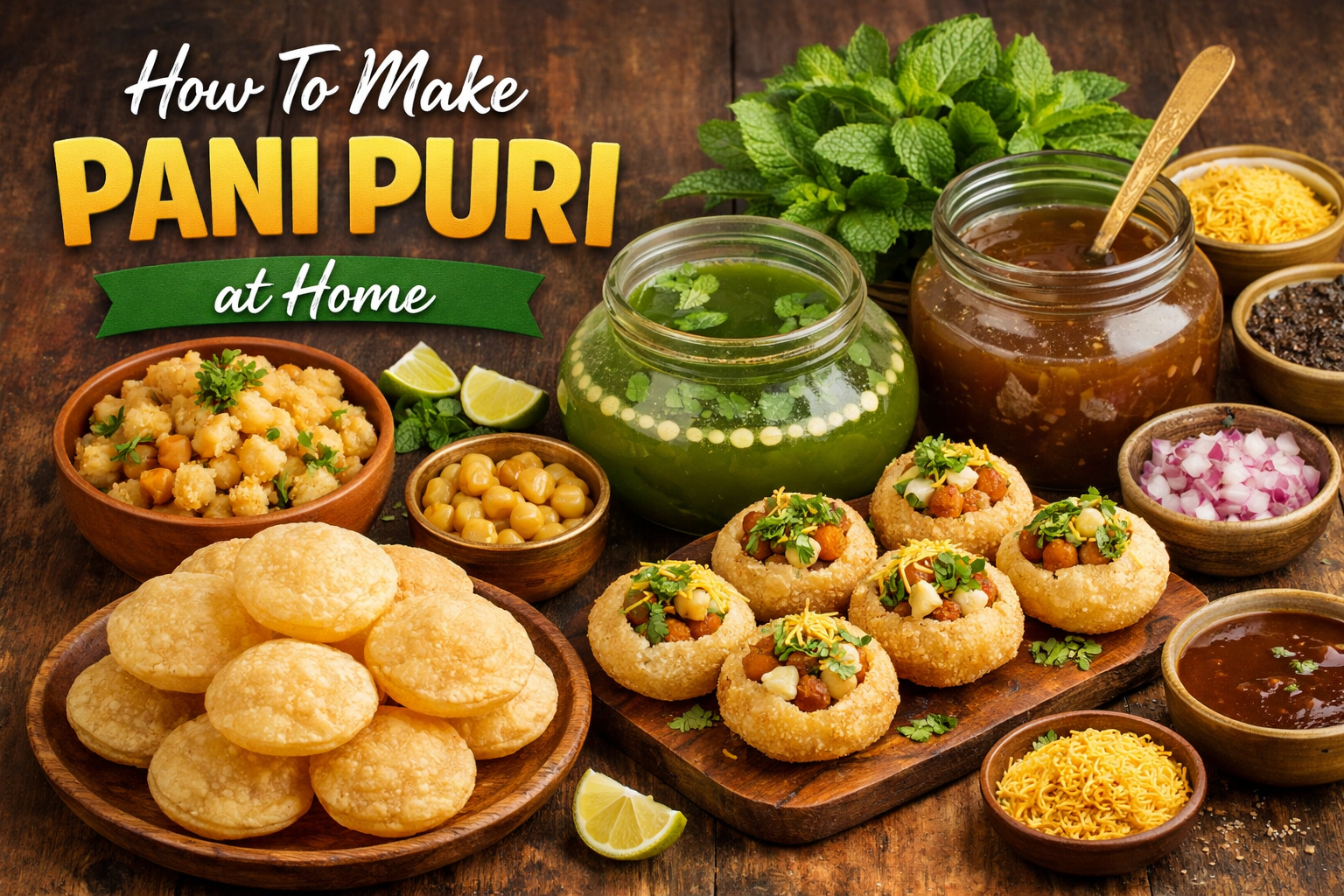
How To make Pani Puri at Home
Ingredients Required To prepare Pani Puri at home, you’ll need three main components: puri (crispy shells), stuffing, and flavored pani (water). For Puri: 1 cup semolina (sooji) 2 tablespoons all-purpose flour (maida) A pinch of baking soda Salt to taste Water (as needed) Oil for deep frying (Alternatively, you can use ready-made puris available in the market to save time.) For Stuffing: 3–4 boiled potatoes (mashed) 1 cup boiled chickpeas or white peas 1 small chopped onion (optional) 2 green chilies (finely chopped) 1 teaspoon roasted cumin powder 1 teaspoon chaat masala Salt to taste Fresh coriander leaves (chopped) For Pani (Spicy Water): 1 cup fresh mint leaves 1/2 cup coriander leaves 2–3 green chilies 1 inch ginger 2 tablespoons tamarind pulp 1 teaspoon roasted cumin powder 1 teaspoon black salt 1 teaspoon chaat masala Juice of 1 lemon 3–4 cups chilled water Step-by-Step Preparation 1. Making the Puri Start by preparing the dough. In a mixing bowl, combine semolina, all-purpose flour, baking soda, and salt. Gradually add water and knead into a stiff dough. Cover it with a damp cloth and let it rest for about 15–20 minutes. After resting, roll the dough thinly on a flat surface. Use a small round cutter or bottle cap to cut tiny circles. Heat oil in a deep pan and fry these circles until they puff up and turn golden brown. Make sure to fry them on medium heat so they become crispy. Once done, place them on a paper towel to remove excess oil. Allow them to cool completely before storing. 2. Preparing the Stuffing In a large bowl, mix mashed potatoes and boiled chickpeas. Add chopped onions, green chilies, roasted cumin powder, chaat masala, and salt. Mix everything well until combined. Garnish with fresh coriander leaves. This stuffing forms the heart of your Pani Puri, so adjust spices according to your taste preference. 3. Making the Pani To prepare the tangy water, blend mint leaves, coriander leaves, green chilies, and ginger into a smooth paste using a little water. Transfer this paste into a large bowl and add tamarind pulp, roasted cumin powder, black salt, chaat masala, and lemon juice. Now add chilled water and mix well. Taste and adjust seasoning—add more salt, lemon, or spices if needed. Refrigerate the pani for at least 30 minutes before serving to enhance the flavors. Assembling the Pani Puri Now comes the fun part—assembling your Pani Puri! Take a puri and gently crack a small hole on the top using your thumb. Add a spoonful of the prepared stuffing inside. Dip the stuffed puri into the chilled pani or pour the pani inside using a spoon. Serve immediately and enjoy the burst of flavors. Remember, Pani Puri tastes best when eaten fresh. Once filled with water, the puri quickly becomes soggy, so assemble them just before serving. Tips for Perfect Pani Puri Always ensure puris are completely crisp; otherwise, they won’t hold the filling properly. Use chilled water for better taste and refreshing flavor. Adjust spice levels in the pani based on your preference. You can also add sweet chutney (made from tamarind and jaggery) for a sweet and tangy twist. Experiment with different fillings like sprouted moong, boondi, or ragda (spiced white peas curry). Variations You Can Try Pani Puri is highly versatile, and you can customize it in several ways: Sweet Pani Puri: Add jaggery or dates chutney for a sweeter flavor. Spicy Pani Puri: Increase green chilies and black pepper in the pani. Healthy Version: Use baked puris instead of fried ones and include sprouts as stuffing. Flavored Pani: Try different pani flavors like garlic, hing (asafoetida), or even fruit-based pani. Why Make Pani Puri at Home? Making Pani Puri at home not only ensures hygiene but also allows you to control the quality of ingredients. You can experiment with flavors, reduce oil, and make it healthier according to your preferences. It’s also a fun activity to do with family and friends, especially during gatherings or small parties. Conclusion Pani Puri is more than just a snack—it’s an emotion for many food lovers. The crunch of puri, the spiciness of the filling, and the tangy freshness of pani come together to create an unforgettable experience. By following this simple step-by-step guide, you can easily prepare delicious Pani Puri at home without compromising on taste. So next time you crave this iconic street food, skip the roadside stall and head to your kitchen instead. With a little effort and the right ingredients, you can enjoy hygienic, tasty, and customizable Pani Puri anytime you want. Happy cooking and happy munching! Pani Puri, also known as Golgappa or Puchka in different parts of India, is one of the most loved street foods. Its irresistible combination of crispy puris, spicy tangy water, and flavorful stuffing creates an explosion of taste in every bite. While street vendors are famous for serving delicious Pani Puri, making it at home can be equally enjoyable—and even more hygienic. If you’ve ever craved this snack but hesitated due to cleanliness concerns, this detailed guide will help you recreate the magic of Pani Puri right in your kitchen.

How to Lose Weight without Exercise
Losing weight is often associated with intense workouts, gym memberships, and strict fitness routines. However, not everyone has the time, physical ability, or interest to engage in regular exercise. The good news is that weight loss is not solely dependent on physical activity. By making smart lifestyle and dietary choices, it is entirely possible to lose weight without exercise. The key lies in creating a calorie deficit, improving metabolism, and adopting sustainable habits. 1. Focus on Your Diet The most important factor in weight loss is what you eat. Even without exercise, controlling your calorie intake can lead to effective weight loss. Start by reducing your consumption of high-calorie, processed foods such as fast food, sugary snacks, and packaged items. These foods are often rich in unhealthy fats and added sugars, which contribute to weight gain. Instead, shift your focus to whole, natural foods like: Fruits and vegetables Whole grains Lean proteins (like chicken, fish, lentils) Healthy fats (nuts, seeds, olive oil) Eating nutrient-dense foods helps you feel full for longer while consuming fewer calories.

How to grow education business online?
How to Grow an Education Business Online The education industry has rapidly shifted towards digital platforms, creating massive opportunities for institutes, trainers, and coaches to scale their business online. Whether you run a coaching institute, sell courses, or provide training services, building a strong online presence is essential for growth. With the right strategies, you can reach a wider audience, generate leads, and increase revenue consistently. Want to join Digital Marketing Institute in meerut ? Build a Professional Website A website is the foundation of your online education business. It acts as your digital office where students can explore courses, check details, and enroll easily. Your website should include clear course descriptions, pricing, testimonials, and a simple enrollment process. Make sure it is mobile-friendly, fast-loading, and optimized for user experience. Adding blogs and FAQs also helps improve SEO and builds trust. Focus on Search Engine Optimization (SEO) SEO helps your education business rank higher on Google and attract organic traffic. By targeting keywords like “digital marketing course in Meerut” or “best online coaching,” you can reach students actively searching for your services. Create valuable content such as blogs, guides, and tutorials. Optimize titles, meta descriptions, and images. Local SEO is also important—list your institute on Google Business Profile to attract nearby students. Use Social Media Marketing Social media platforms like Instagram, Facebook, and YouTube are powerful tools for growing your education brand. Post regular content such as: Consistency and engagement are key. Reply to comments, messages, and build a community around your brand. Run Paid Advertising Campaigns Paid ads can give instant visibility and leads. Platforms like Meta Ads (Facebook & Instagram) and Google Ads allow you to target specific audiences based on interests, location, and behavior. You can run: Start with a small budget, test creatives, and scale the ones that perform well. Create High-Quality Content Content is the backbone of online education growth. The more value you provide, the more trust you build. Focus on: This not only attracts students but also positions you as an authority in your field. Build an Email & WhatsApp Funnel Not every visitor converts instantly. That’s why you need a follow-up system. Use email marketing and WhatsApp automation to: This helps in converting leads into paying students over time. Leverage Testimonials & Social Proof People trust results. Showcasing student testimonials, reviews, and success stories increases credibility. Add: Highlight how your course helped students achieve their goals. Offer Free Webinars & Workshops Free webinars are one of the best ways to generate high-quality leads. You can: This strategy works extremely well for converting cold audiences into buyers. Use Online Course Platforms & Tools Leverage platforms and tools to manage your education business efficiently. Use LMS (Learning Management Systems) to host courses, track progress, and automate learning. Tools can help you with: Track, Analyze & Improve Growth comes from continuous improvement. Use tools like Google Analytics and ad dashboards to track performance. Monitor: Based on data, optimize your strategies and scale what works best.

What is Digital Marketing? Complete Guide to What is Digital Marketing in 2026
In today’s internet-driven world, many businesses are moving online to reach more customers. This is where What is Digital Marketing becomes an important question for students, business owners, and marketers. What is dm simply means promoting products or services using digital platforms like search engines, social media, websites, emails, and mobile apps. Instead of traditional marketing methods like newspaper ads or TV ads, businesses now use the internet to connect with their target audience. Understanding What is dm is very important because most customers today search for products and services online before making a purchase decision. Digital marketing helps businesses reach the right audience, build brand awareness, and increase sales in a cost-effective way. Also Visit Our Instagarm Account 📌 What is Digital Marketing? To understand What is dm, we need to break it down into simple terms. Digital marketing refers to all marketing activities that use the internet or electronic devices to promote a business. In simple words, What is dm means promoting products, services, or brands through online channels such as: The main goal of digital marketing is to reach potential customers online and convert them into buyers. 🌐 Why Digital Marketing is Important When learning What is dm, it is also important to understand why it has become so popular in modern business. Here are some major reasons why digital marketing is important: 1️⃣ Global Reach Digital marketing allows businesses to reach customers across the world through the internet. 2️⃣ Cost Effective Marketing Compared to traditional marketing, dm campaigns are cheaper and provide better results. 3️⃣ Targeted Audience Businesses can target specific audiences based on age, location, interests, and behaviour. 4️⃣ Measurable Results Using tools like analytics, marketers can measure performance and improve campaigns. 5️⃣ Higher Engagement Digital platforms allow direct interaction between brands and customers. These benefits clearly explain What is dm and why companies are investing heavily in it. 🔍 Types of Digital Marketing To fully understand What is dm, we must also learn about the different types of dm strategies used by businesses. 1️⃣ Search Engine Optimization (SEO) SEO is the process of improving a website so that it appears higher in search engine results. Key activities in SEO include: SEO is one of the most important parts of What is dm because it helps businesses get free organic traffic from search engines. 2️⃣ Search Engine Marketing (SEM) SEM is a paid marketing strategy where businesses run ads on search engines like Google. Examples include: SEM helps businesses get quick traffic and leads. 3️⃣ Social Media Marketing (SMM) Social media marketing involves promoting a business through social media platforms. Popular social media platforms include: Through social media marketing, brands can build relationships with customers and increase brand awareness. 4️⃣ Content Marketing Content marketing focuses on creating valuable and informative content to attract customers. Examples of content marketing include: Content marketing plays a major role in understanding What is dm because good content helps attract and engage audiences. 5️⃣ Email Marketing Email marketing is one of the oldest forms of dm. It involves sending promotional emails to customers. Businesses use email marketing for: It is a powerful tool for maintaining long-term relationships with customers. 6️⃣ Affiliate Marketing Affiliate marketing is a performance-based marketing strategy where people promote products and earn commissions for every sale. Many bloggers and influencers use affiliate marketing to earn money online. 7️⃣ Influencer Marketing Influencer marketing involves collaborating with social media influencers to promote products. Influencers have loyal followers, and their recommendations can influence buying decisions. 8️⃣ Mobile Marketing Mobile marketing focuses on reaching customers through smartphones and tablets. Examples include: Since most users access the internet through mobile devices, mobile marketing is a key part of What is dm. 🛠 Tools Used in Digital Marketing To understand What is dm, we should also know about the tools used by marketers. Some popular digital marketing tools include: These tools help marketers track performance and improve marketing strategies. 🎯 Key Skills Required for Digital Marketing Anyone who wants to build a career in dm should develop the following skills: Learning these skills will help you master What is dm and build a successful career. 💼 Career Opportunities in Digital Marketing One of the biggest advantages of understanding What is dm is the wide range of career opportunities available. Some popular digital marketing job roles include: Many businesses today are hiring dm because online marketing has become essential for growth. 🚀 Future of Digital Marketing The future of digital marketing is very bright. With the growth of the internet, smartphones, and social media, businesses will continue to invest in online marketing. Some future trends in digital marketing include: These trends show that understanding What is DM will be very important in the coming years. ✅ Conclusion After reading this guide, you should clearly understand What is dm and why it is important for businesses today. Digital marketing is the process of promoting products and services using online platforms such as search engines, social media, websites, and email. Businesses prefer digital marketing because it is cost-effective, measurable, and capable of reaching a global audience. From SEO and social media marketing to email marketing and influencer marketing, there are many strategies involved in digital marketing. As the internet continues to grow, the demand for dmprofessionals will also increase. Learning What is dm can open many career opportunities and help businesses grow successfully in the digital world. How to Change my Photo from Admin Dashboard? Far far away, behind the word mountains, far from the countries Vokalia and Consonantia, there live the blind texts. Separated they live in Bookmarksgrove right at the coast How to Change my Password easily? Far far away, behind the word mountains, far from the countries Vokalia and Consonantia, there live the blind texts. Separated they live in Bookmarksgrove right at the coast How to Change my Subscription Plan using PayPal Far far away, behind the word mountains, far from the countries Vokalia and Consonantia, there live the blind texts. Separated
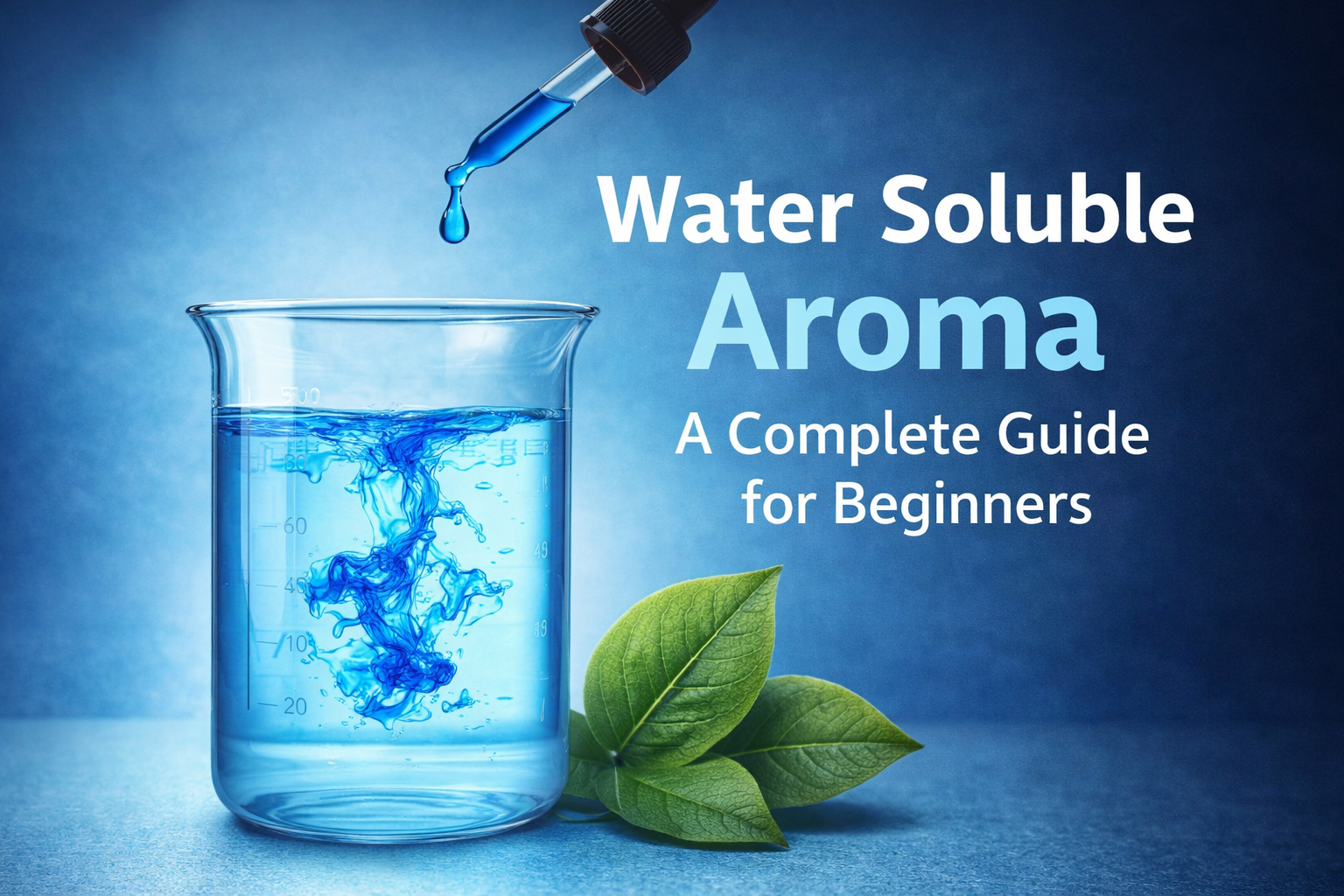
✨ Water Soluble Aroma – A Complete Guide for Beginners
In today’s fast-moving world, fragrance has become an important part of our daily life. From home cleaning products to personal care items, aroma plays a big role in improving our mood and overall experience. One such innovation in the fragrance industry is water soluble aroma. Water soluble aroma is specially designed fragrance oil that mixes easily with water. Unlike traditional essential oils that float on water, water soluble aromas dissolve properly and spread fragrance evenly. Because of this property, they are widely used in humidifiers, diffusers, room sprays, cleaning liquids, and cosmetic products. In this blog, we will understand what water soluble aroma is, how it works, its benefits, uses, and why it is becoming popular in India. Also Visit Our Instagram Account 💧 What is Water Soluble Aroma? Water soluble aroma is a type of fragrance compound that dissolves completely in water without leaving oily residue. It is created by modifying fragrance oils with special emulsifiers or solubilizers so that they can mix smoothly in water-based solutions. Normally, oil and water do not mix. If you add normal essential oil in water, it floats on top. But water soluble aroma blends perfectly and gives uniform fragrance distribution. This makes it highly useful in: 🔬 How Does It Work? Water soluble aroma contains special ingredients that allow oil molecules to break down and mix with water. These ingredients are called solubilizers. When added to water: This technology ensures there is no clogging in humidifiers or diffusers, which usually happens with heavy essential oils. 🌸 Types of Water Soluble Aroma There are many fragrance categories available in water soluble form: These fragrances are used depending on the purpose – relaxation, freshness, energy, or mood upliftment. ✅ Benefits of Water Soluble Aroma 🌬️ 1. Easy to Use Just add a few drops in water and it dissolves instantly. 🧼 2. No Oily Residue It does not leave oil marks or stains on surfaces. 💨 3. Safe for Machines Humidifiers and diffusers work smoothly without blockage. 🏠 4. Even Fragrance Spread Because it mixes properly, fragrance spreads uniformly in the room. 💰 5. Cost-Effective A small quantity is enough to create strong aroma. 🏢 Industrial Uses is not only used at home but also in industries: Many Indian cleaning and personal care brands are shifting towards water soluble fragrance because it blends better in water-based products. 🏠 Household Uses In Indian homes, water soluble aroma is commonly used for: During festivals like Diwali or family gatherings, people use pleasant fragrance to create welcoming atmosphere. 🌿 Water Soluble Aroma vs Essential Oil Many people get confused between essential oils. Let us understand the difference. Feature Water Soluble Aroma Essential Oil Mixes with Water Yes No Leaves Residue No Yes Safe for Humidifiers Yes Sometimes No Natural Source Can be synthetic or natural 100% natural Essential oils are natural extracts from plants. can be natural, synthetic, or blended for better stability and performance. If you want easy mixing and hassle-free use, water soluble aroma is better for water-based products. 🧴 Is It Safe? For cosmetic use, it is important to use cosmetic-grade fragrance only. 🇮🇳 Growing Demand in India In India, the demand for home fragrance products is increasing rapidly. With rising awareness about hygiene and ambiance, people are investing more in: Small businesses and startups are also using water soluble in making handmade products like room sprays and liquid soaps. 🧠 Why Businesses Prefer It? For manufacturers and brands, offers many advantages: This reduces manufacturing cost and improves product quality. 📝 Conclusion is a modern solution for adding fragrance to water-based products. It solves the common problem of oil and water separation and ensures smooth performance in humidifiers, diffusers, and cleaning liquids. Whether you are a manufacturer, small business owner, or a homeowner, provides a simple, effective, and affordable way to create pleasant fragrance.

Best Time to Visit Bali
The best time to visit Bali is between April and October, the island’s dry season. Although the weather is ideal for travellers, the island is also subject to soupy, humid days throughout the year. Many shops offer sales and promotions; restaurants are less crowded in those mid-season months. You’ll be treated to lush showers of rain, overcast skies and thick clouds, ready to relinquish the rain. From June and August, the island is treated to sweeping gusts of winds. What’s especially beautiful about this season is the sight of hundreds of Balinese kites dancing in the wind – and why not? This is “kite season” as the Balinese locals call it. This is the time Bali is the busiest. Your Can Also Read Our Related Blog Best Time to Visit Jaipur Visit Our Instagram Account Peak Season of Bali (July-August, December)